love the life you live

These I have loved:

wildflower meadows, clear rivulets, rocky heights of mountains

snowshoes strapped to boots, quiet shush through fresh powder

powerful, empathic, wondrous words heard from lips, read on pages

swelling, surround sound of woodwinds and brass in band practice

companionable petted presence, walks, whine, odor, licks of dog

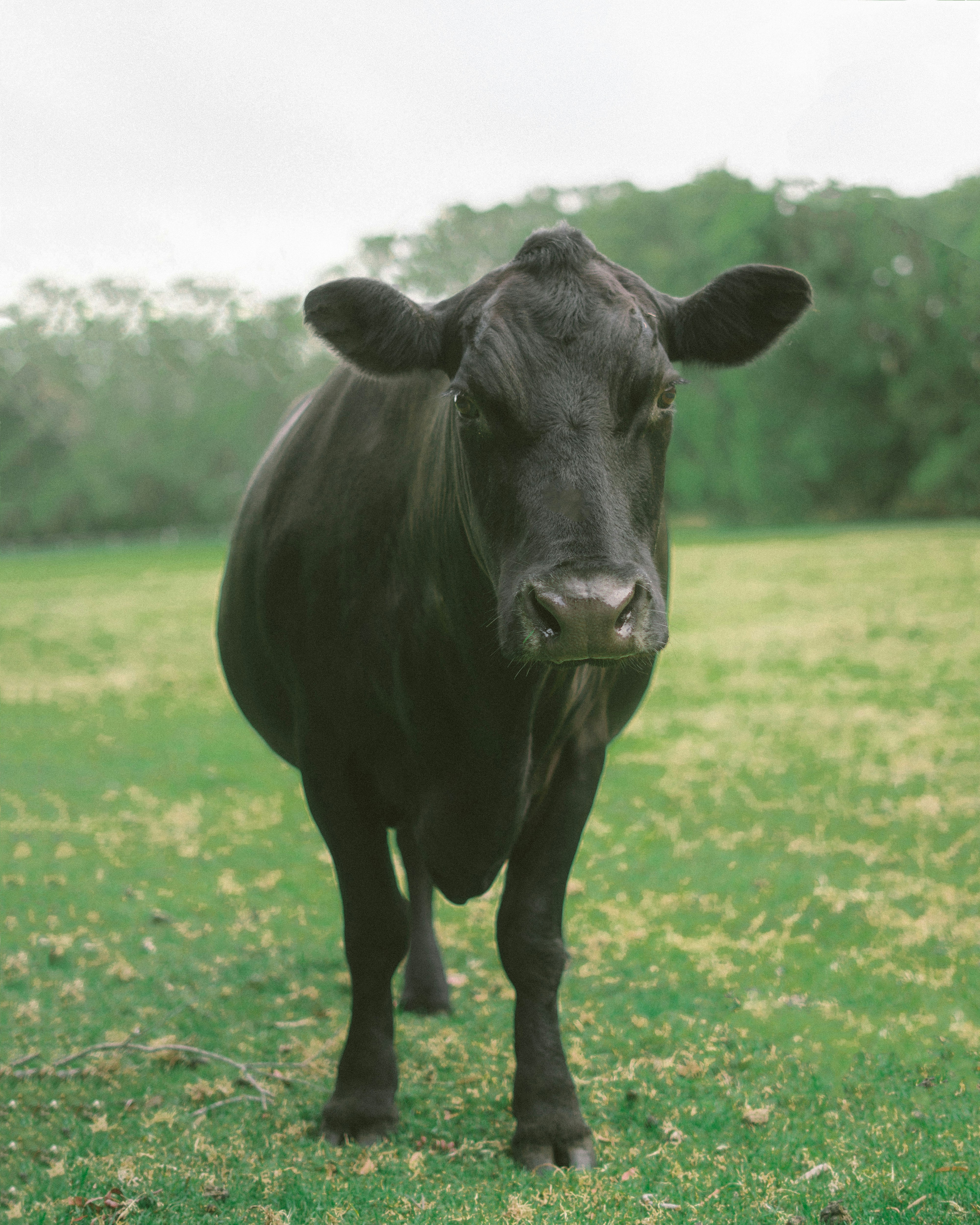
deep, dark, long-lashed eyes of cows, shining wet with curiosity

smooth touch of sweetly scented, oh-so-soft baby’s perfect skin

squeals, shouts, smiles, pouts of grandchildren…eighteen seen!

magnanimous masculine hearts of eight men; six from boyhood

loyal laughter and spiritual bond of kindred spirits in dear friends

wise, patient influence of godly mothers, grandmothers, aunts

exotic variations of chai tea: steeped, dirtied, iced, spiced, latted

homemade blueberry scones, warm, drizzled with lemon glaze

succulent jumbo shrimp dipped in cocktail sauce, eaten seaside

wake to morning songs of birds serenading our shady campsite

thunderheads rumbling across prairie, forked lightning flashes

each mysterious phase of moon that beguiles with mirrored light

warm sun on skin, stretched lazily on beach chair, plush towel

fresh, clean smell of air washed by rain; damp hair, shampooed

wild roses blooming annually along ditches, lilacs in backyards

greenest fields of corn in rows, tasseled and pointing skyward

…all these have been my loves.


A list poem patterned after Rupert Brooke’s poem, “The Great Lover”… linked to dVerse poetics, hosted by Kim. As I recount the things I have loved, I must give thanks to God for these gifts; He is truly The Great Lover!
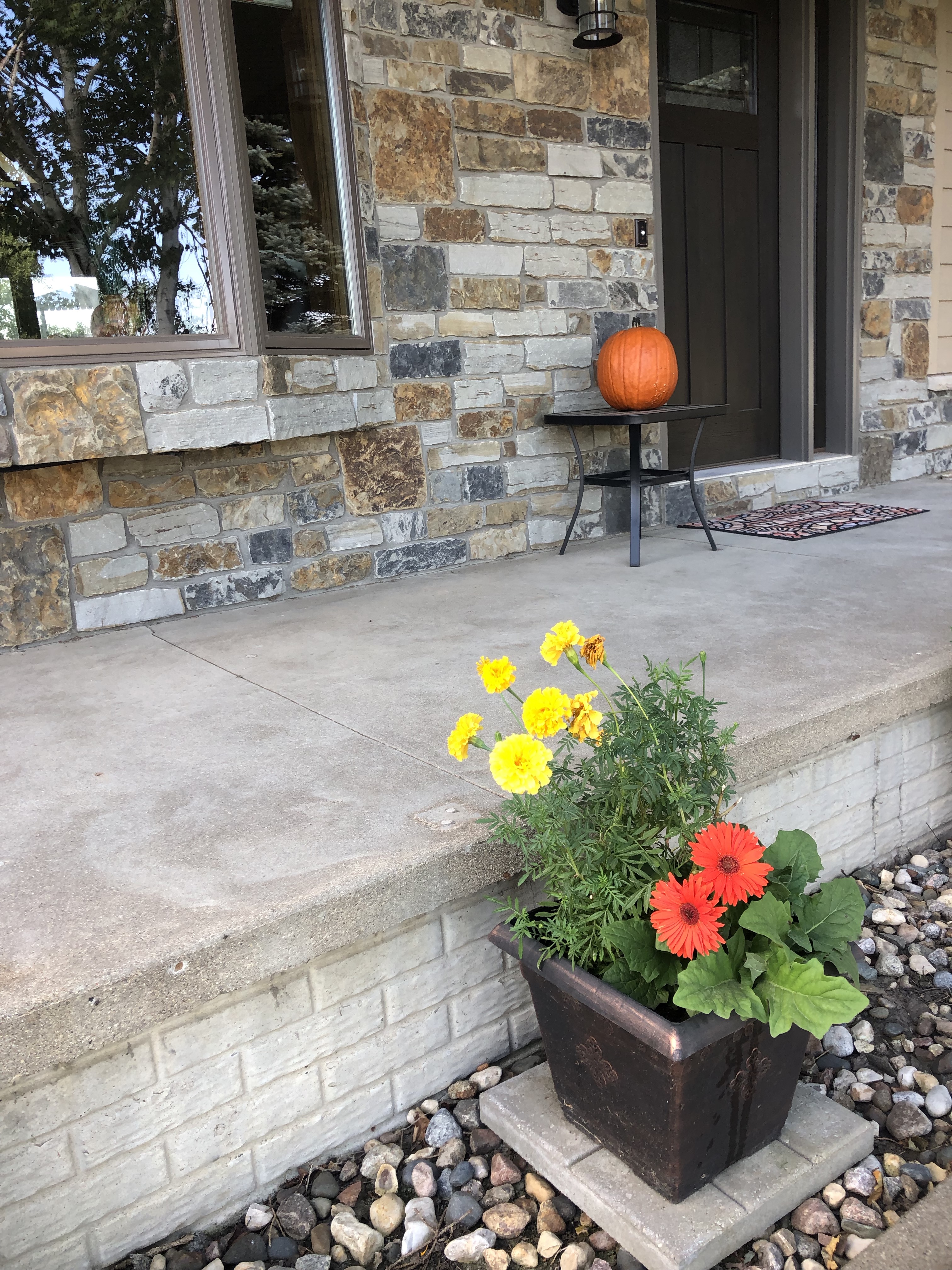
falling for fall

A Villonnet is a hybrid of the Villanelle and the Sonnet. It has the Iambic Pentameter of both, but holds the four-stanza/line structure of the sonnet, while utilizing the two-line rhyme nature of the villanelle. The final stanza replaces the sonnet couplet with a typical villanelle tercet.  Linking this villonnet to Grace’s prompt at dVerse Poets pub. I was NOT going to write about fall, but here it is…

______________

i sit on deck to soak in warm sunshine
this end of summer’s glow suits my skin fine
fat cats watch scene from shade and lounge around
piped wind chimes’ gentle song is only sound

forgotten apple falls from top of tree
while butterflies migrate, bees cap honey
red leaves whirl past as if in joyful dance
a celebration of autumn’s last chance

ripe orange pumpkins lie hidden in field
as drying crops will soon their harvest yield
pheasants and deer will feast upon the corn
bred cows will glean before blizzards are born

today, september stays my favorite month
until the wind turns cold out of the north
then i will dream with birds of drifting south

_______________

NOTE: Line 1 is to be repeated as lines 8 and 13, and line 4 is repeated as lines 12 and 15. I neglected to repeat any lines, not a true villonnet…may have to rework sometime!

photo by lynn__

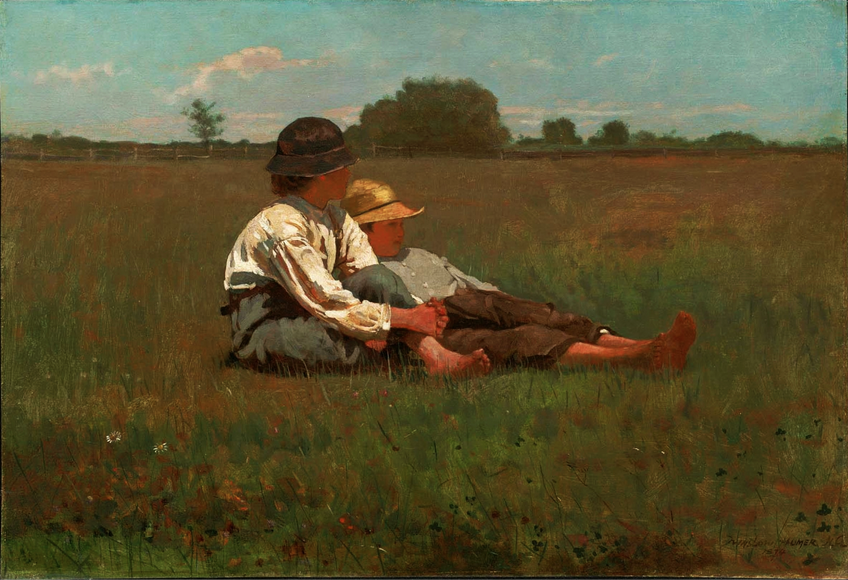
idyllic daydreams

Boys in a Pasture” by American artist, Winslow Homer (1836-1910)

______________

last lazy summer day in pastures green
one week of freedom before starting school
stiff grasses tickle, prickle calloused feet
noon sun shines hot but breezes gently cool

two cousins sit together amiably
companionship does not require words
they watch the cows while clouds float easily
from distant trees, they hear the caw of birds

they dream a pirate’s dream on desert isle
of treasure buried deep beneath the sand
although there’s no high seas for many a mile
boys can imagine sword fights on dry land

covered by straw hats, long hair falls in curls
time’s brief, as young minds soon will follow girls

_______________

An ekphrastic sonnet linked to W3 prompt at The Skeptic’s Kaddish.

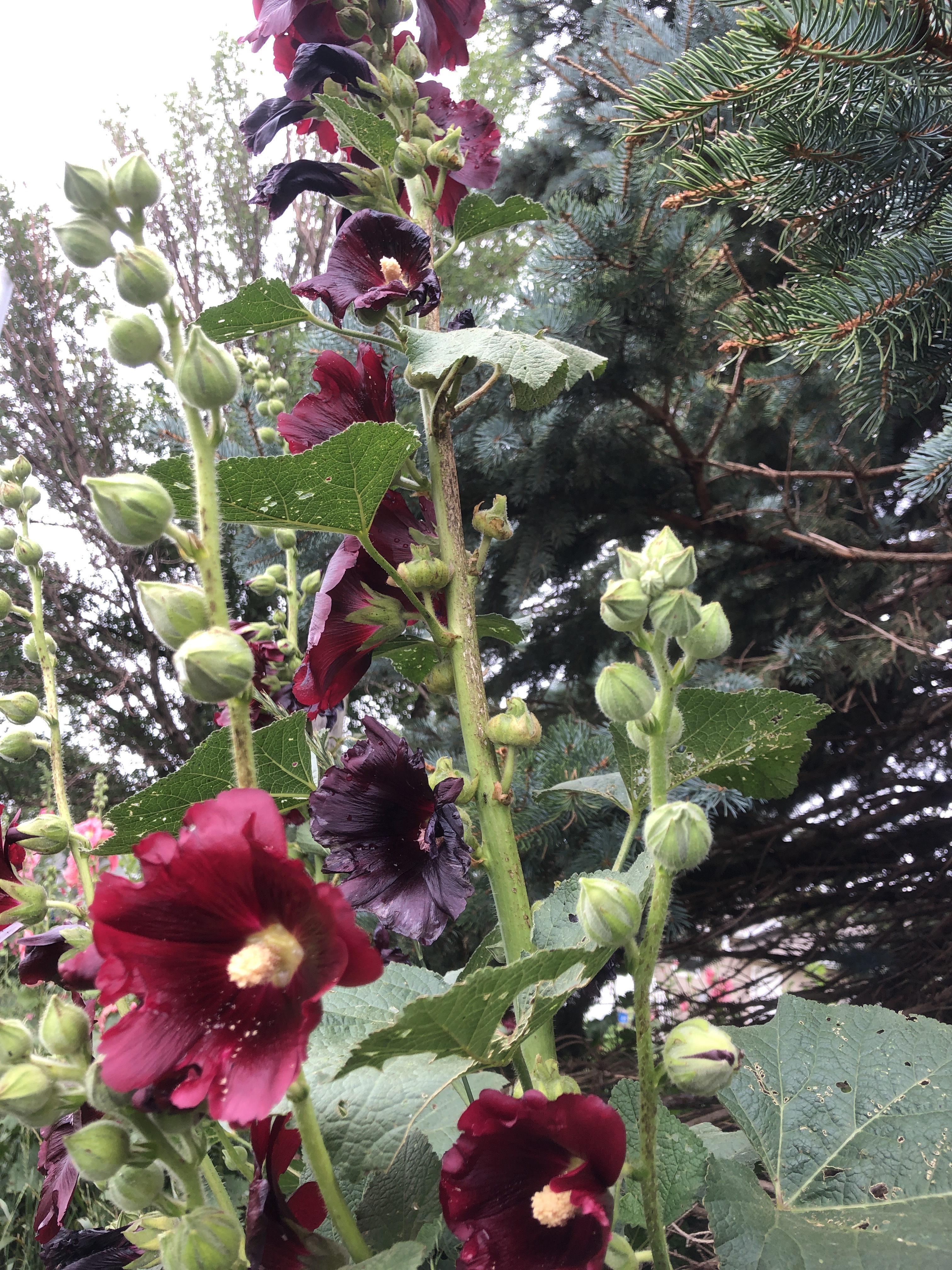
iowa in july


glimpsed thru evergreen

summer blushes crimson red

neighbor’s hollyhocks


cornfields of faeries

follow grandchildren’s ball games

fireflies shine at night


angus cows with calves

graze in heavenly pastures

sweet ruminations


for the love of cows

i’d like to write a book so that people
would understand good farmers truly care
about the animals they raise and feed
and breed, deliver young, nourish the herd.

it’s more than just business and bottom line
but for the love of cows that farmers will
work hard to keep them growing and alive
thru snowstorms, heat, disease, and parasites.

explain how methane cycle benefits;
how cow manure enhances health of soil.
why farmers plant their fields with corn and hay
to keep cattle content chewing their cud.

cows give us dairy products and real beef
both protein sources good for humankind
we treat our cattle with humane kindness
and they in turn help us to feed the world.

Photo by Harry Cunningham on Unsplash

______________

Sanaa hosts poetics at dVerse today featuring poems of Maggie Smith. I’ve written in monologue style with no end rhyme but rhythmic pattern of iambic pentameter.

joy of light series


XI.
bright gleam of flashlight
reflects off resting cows’ eyes
gently chewing cud
night maternity ward check
all quiet under the stars

pastoral season

IMG_9427.jpg

photo by lynn


Image

yuck-a-muck

De at dVerse asked for this when she suggested a quadrille about “yuck”!


you may not be a fan-ure
because it stinks like sin
but maybe it’s called “man-ure”
‘cause men keep falling in!

if you come visit our farm
be sure to bring your boots
remember here in cow town
“bull sh__” has rural roots!

screenshot-2018-10-04-12-15-25

word of the day


prospero ano

IMG_5444

Image

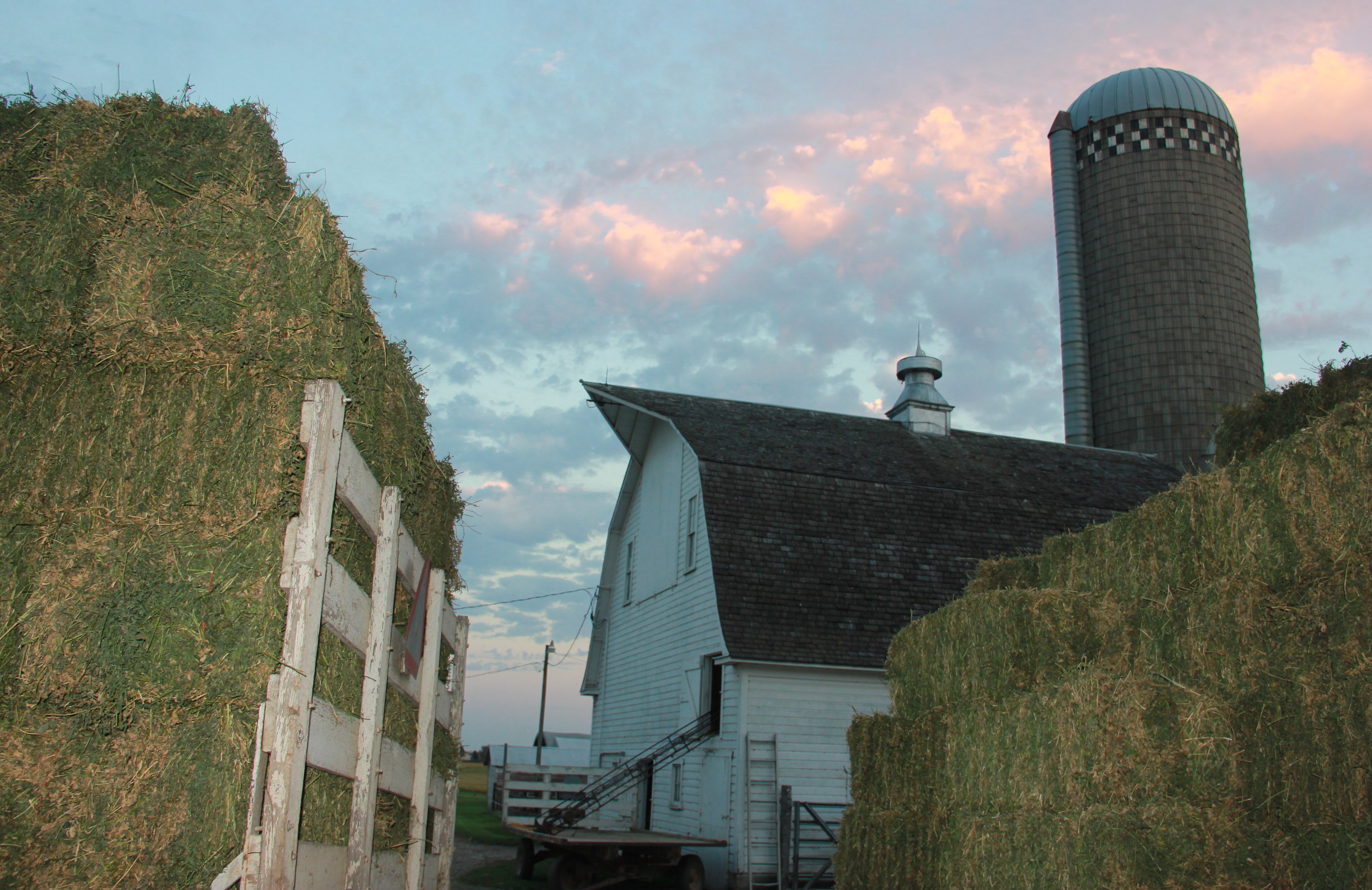
make hay, as they say


Today, Boncho’s haiku (below) inspired mine. The smell of cut alfalfa is a wonderful aroma! Another season of haying will soon begin with our first cutting here in Iowa. It’s pleasant to drive tractor for baling hay, if not too windy and dusty.


farmer works up sweat

bales hay on summer evening

to feed hungry cows

-lynn

how cool cut hay smells

when carried through the farm gate

as the sun comes up!

-Boncho


IMG_5658

photo by lynn


Nozawa Boncho was a Japanese poet born c.1640. He spent most of his life  working as a doctor in Kyoto. Boncho was one of Matsuo Bashō’s followers and wrote many famous haiku in his day. This is my response to Carpe Diem Haiku Kai: Utabukuro.

grey dey


Taste this fog,

stir like pea soup;

thick, steamy, heady

moist air presses.


Watercolor of wet

still-life landscape,

paint no background;

grey droplets spatter.


Pickup headlights

float, pierce the misty

curtain as eery shapes

of cow ghosts appear.


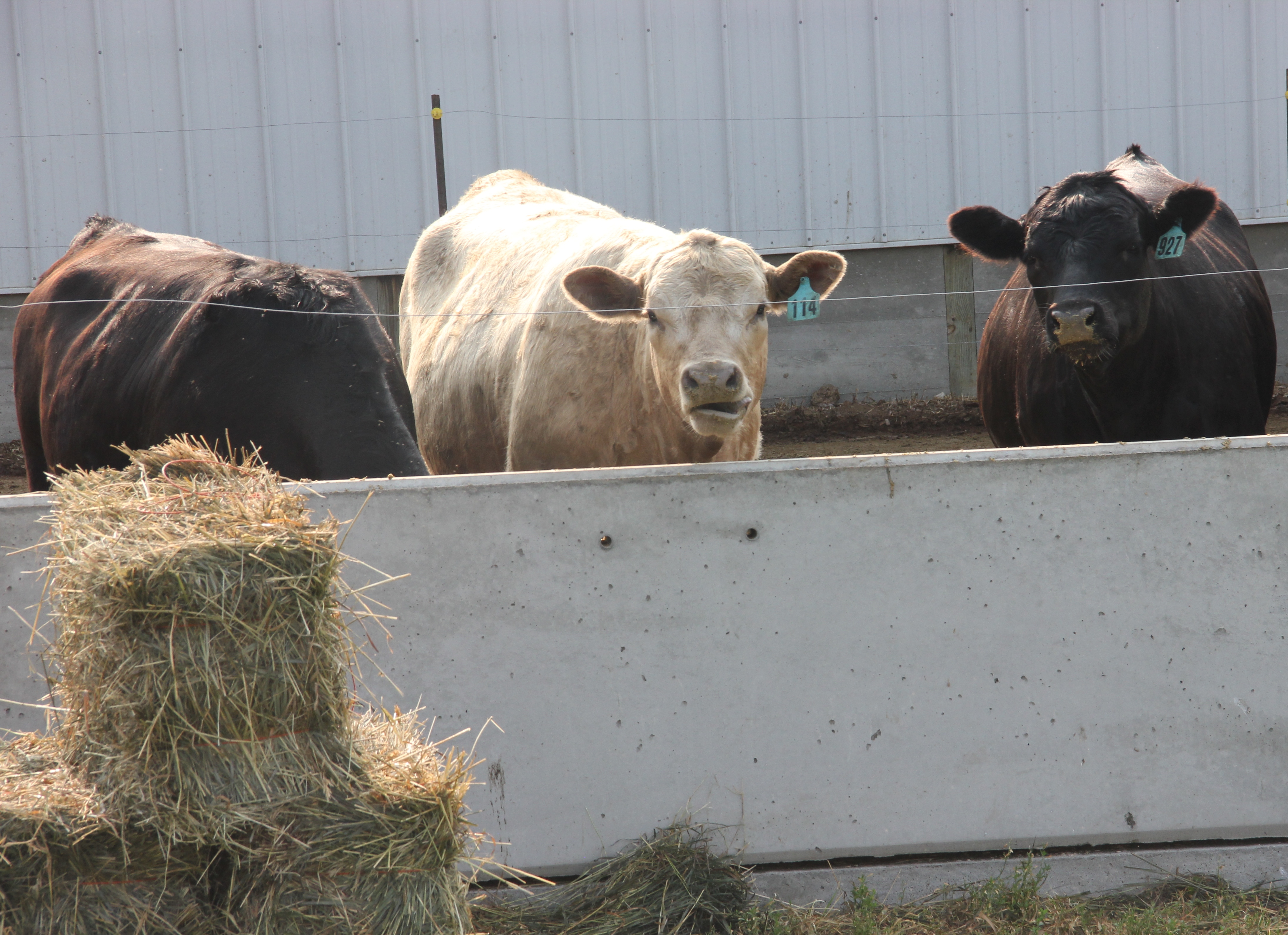
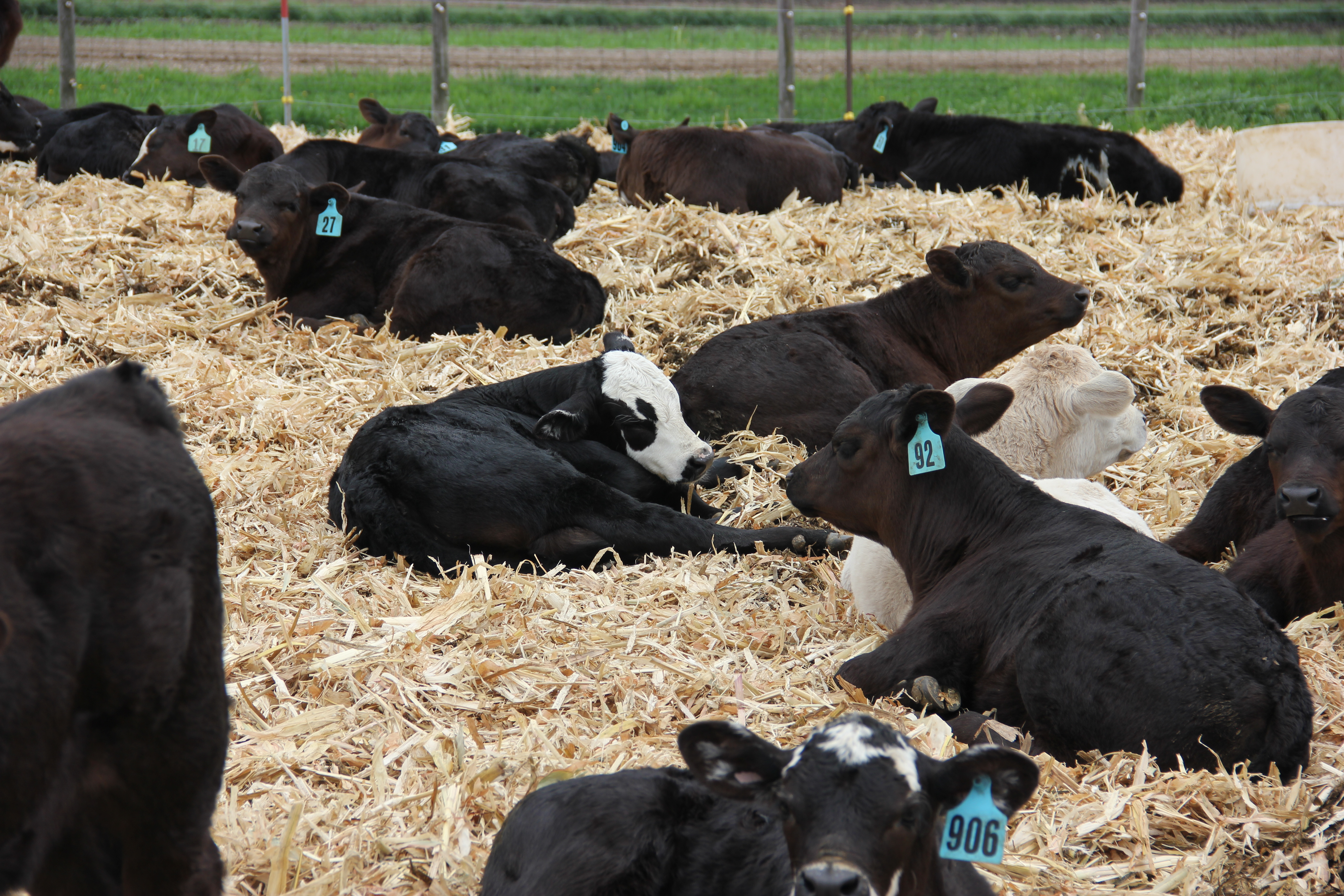
what DO cows do?

IMG_7830

what do cows do?

cows chew
cows moo
cows poo

cows munch
cows lunch
cows crunch

IMG_7430

photos by lynn

cows hay
cows lay
cows may

all day.

Previous Older Entries