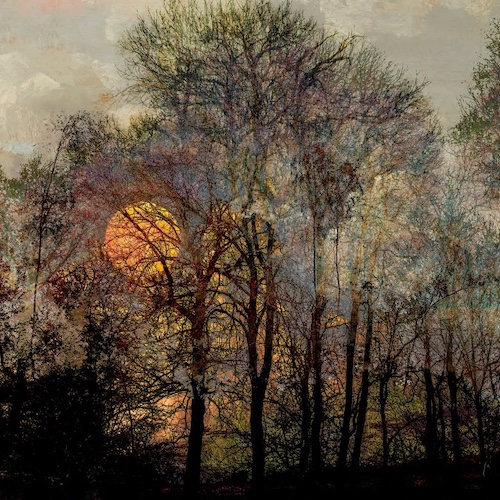
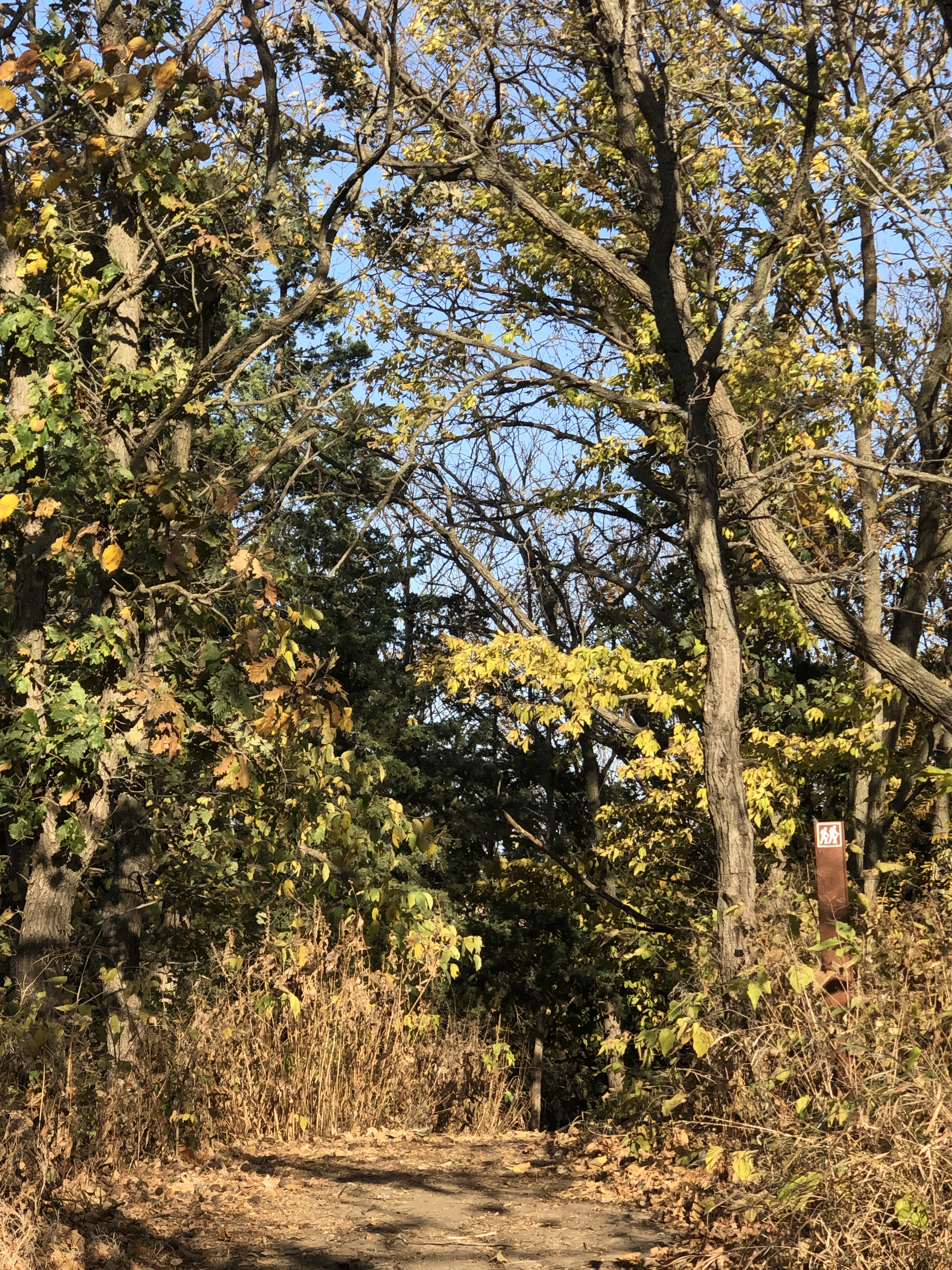
Every fall, our family visits Oak Grove, a nearby park on the Sioux River. It covers five hundred plus acres of combined state and county conservation land with hiking trails, picnic areas, cabins and campsites. We park on top of the ridge and find a trail through the scrub oak trees to slowly make our way down to the river bottom.
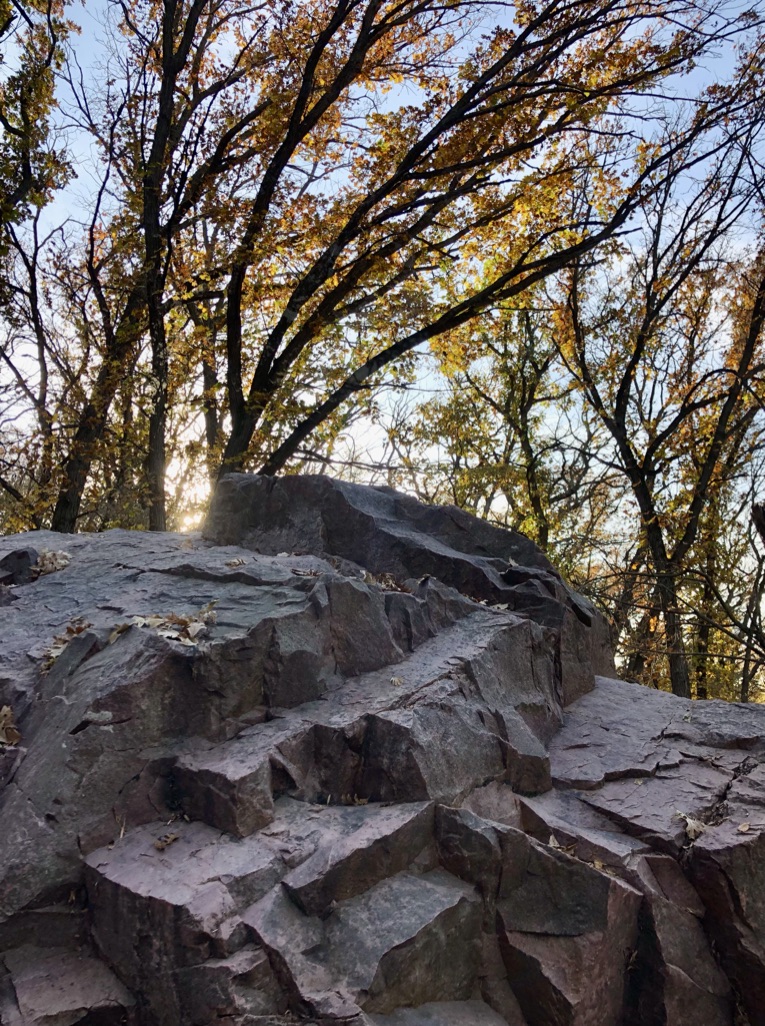
The river flooded this past summer, changing the landscape. Sand and debris washed into the woodland, excavator tracks show where dirt has been redistributed and re-leveled. Ancient outcroppings of rose-tinted Sioux quartzite remain solidly undisturbed along the upper trail.
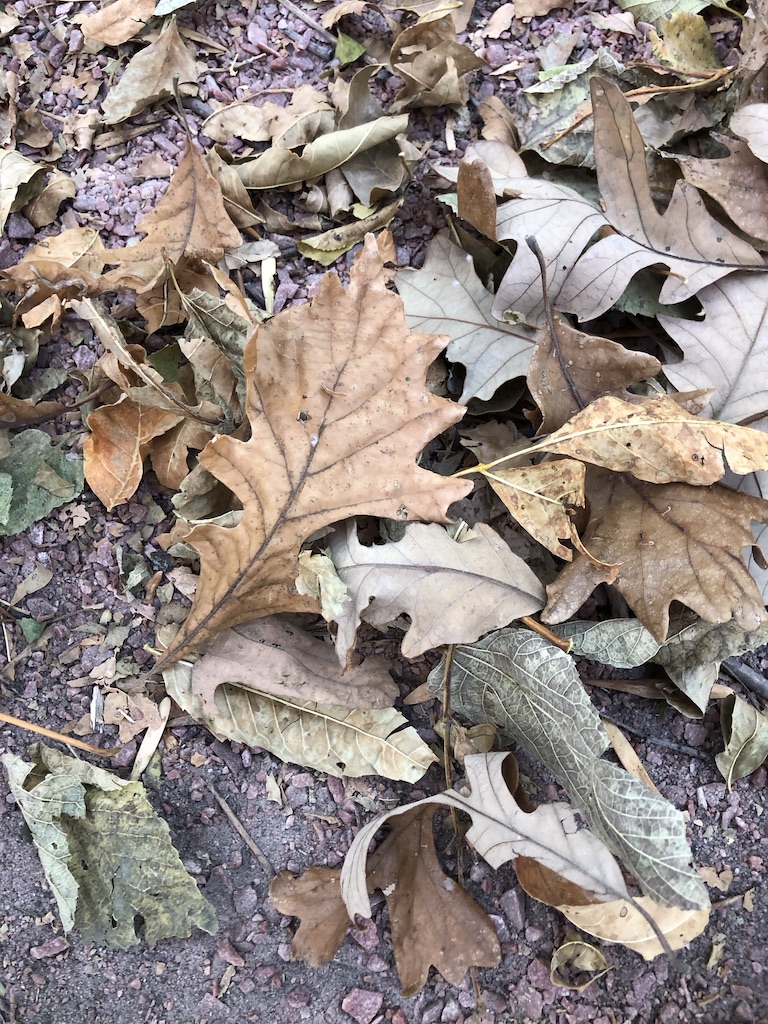
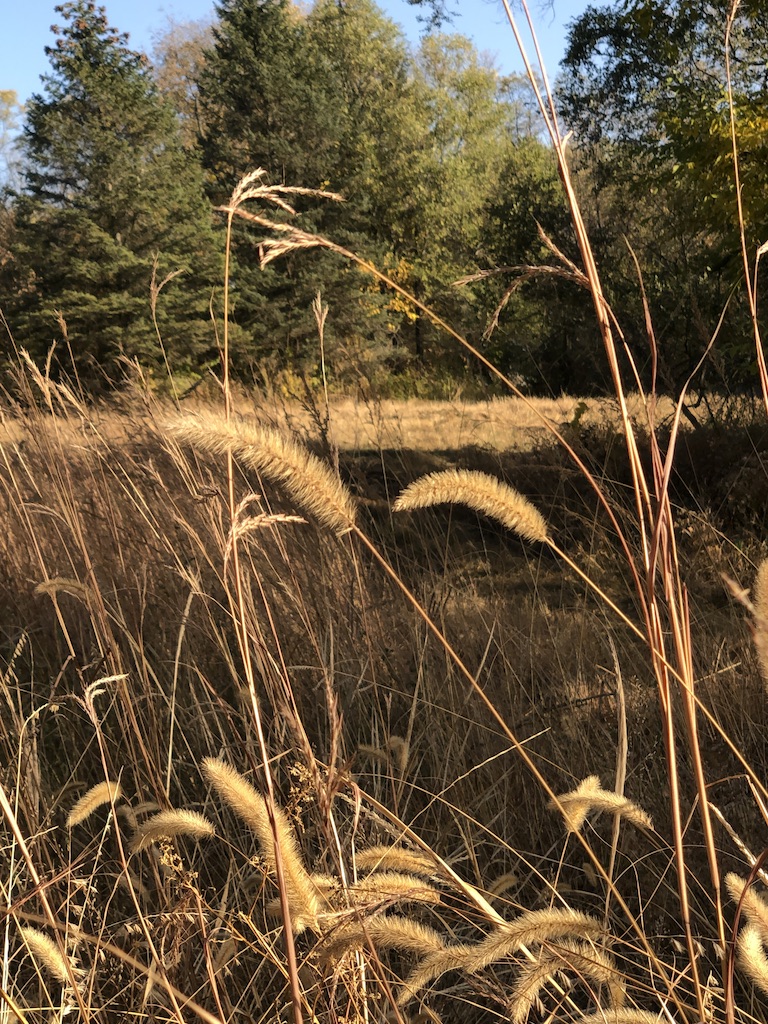
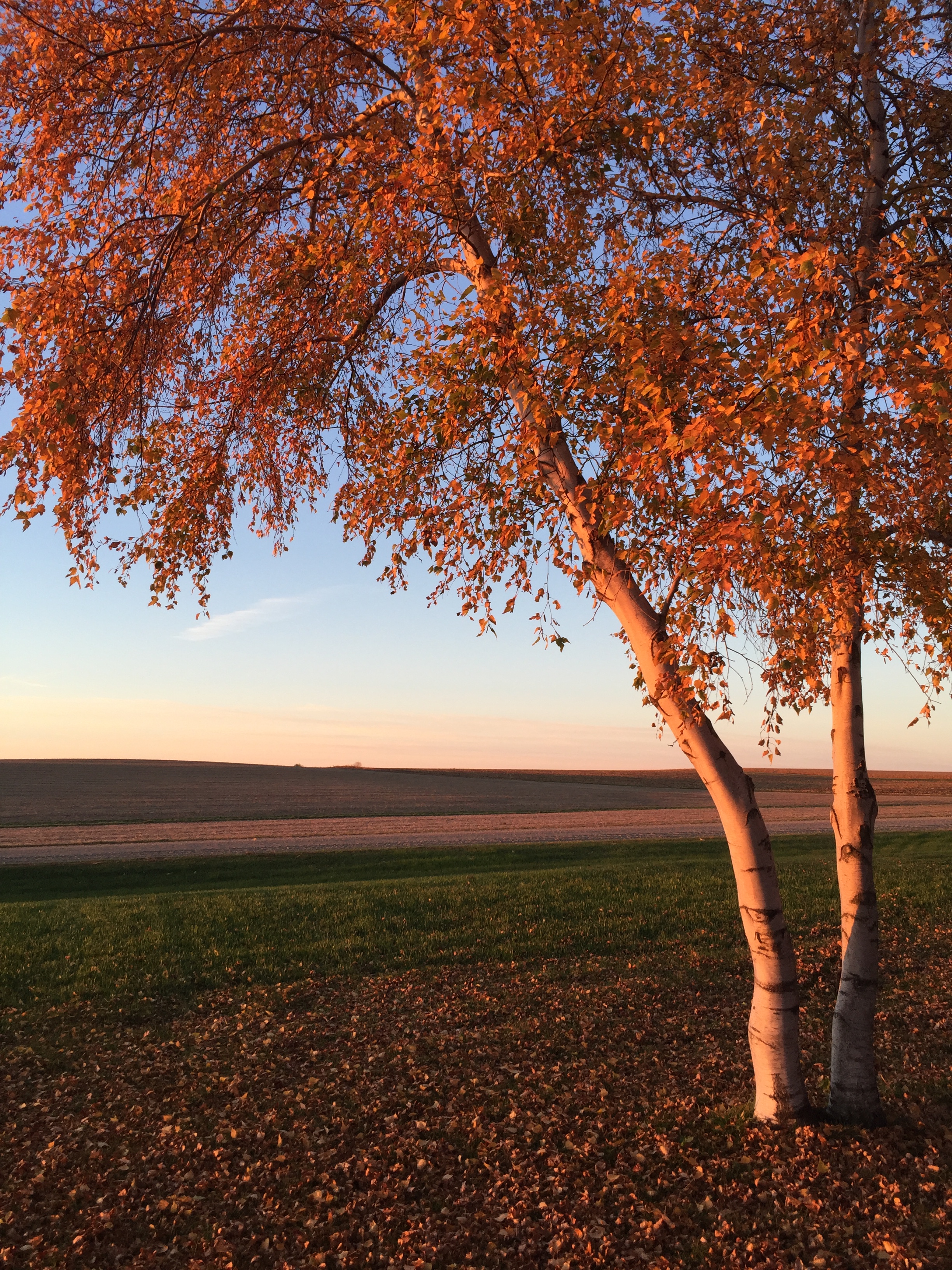
Reaching up, young cottonwoods glow golden in late afternoon. Scarlet sumac stunningly line the prairie grassland. The predominant oaks simply turn brown and drop large lobed leaves on the trail below their gnarly trunks. A few spruce and juniper stand green and ever verdant.
A Villonnet is a hybrid of the Villanelle and the Sonnet. It has the Iambic Pentameter of both, but holds the four-stanza/line structure of the sonnet, while utilizing the two-line rhyme nature of the villanelle. The final stanza replaces the sonnet couplet with a typical villanelle tercet. Linking this villonnet to Grace’s prompt at dVerse Poets pub. I was NOT going to write about fall, but here it is…
______________
i sit on deck to soak in warm sunshine this end of summer’s glow suits my skin fine fat cats watch scene from shade and lounge around piped wind chimes’ gentle song is only sound
forgotten apple falls from top of tree while butterflies migrate, bees cap honey red leaves whirl past as if in joyful dance a celebration of autumn’s last chance
ripe orange pumpkins lie hidden in field as drying crops will soon their harvest yield pheasants and deer will feast upon the corn bred cows will glean before blizzards are born
today, september stays my favorite month until the wind turns cold out of the north then i will dream with birds of drifting south
_______________
NOTE: Line 1 is to be repeated as lines 8 and 13, and line 4 is repeated as lines 12 and 15. I neglected to repeat any lines, not a true villonnet…may have to rework sometime!
autumn’s season when leaves must fall in colors of dying sunset across sky where canada geese high above us call their long goodbyes to summer’s home; they must move on as leaves must fall. farmers bring in dry harvest of ripe corn and deliver fattened cattle to butcher’s stall to supply grocer’s shelves to feed all our children hungry for winter’s first snowfall; in hopes of missed school days while haze of smoky fires burn dead leaves that must fall.
______________
This is a “fold” poem invented by Gillena Cox and featured at dVerse poets’ pub.
The Fold [Gillena’s guidelines] 1. 11 lines 2. The end phrase of Line 1 repeats at Lines 5 and 11 3. The rhyme of line 1 continues through in every other line 4. There MUST be a reference to nature and how it affects you, the poet
A man is wed to land as dear as wife
and for his farm he‘ll gladly sacrifice
what is his livelihood becomes his life
such dedication keeps away most vice
invested time gives meaning in the strife
as he creates his own small paradise
reflection of first garden paradise
tilling the land together, man and wife
completely innocent of hate or strife
man gladly gave his rib, small sacrifice
but snake twisted the truth of God’s advice
eating forbidden fruit embittered life
to work in sweat would be man’s lot in life
rebellion led them out of paradise
their eyes opened to every evil vice
still-birth of sin brought pain to Adam’s wife
to cover shame requires blood sacrifice
our fall brought all creation death and strife
seeds of weed, thistle, and thorn now rife
disease and aging process shortens life
to bear children demands self-sacrifice
we cannot find way back to paradise
now shame’s dark secrets divide man and wife
our world is broken by our greed and vice
the Enemy holds captives in sin’s vise
conquers the world with anger, fear, and strife
cools the love between each man and wife
our stubborn pride leads miserable life
the only way to restore paradise
would be a perfect human sacrifice
God’s Son offered himself as sacrifice
divine and human free of any vice
for Christ alone can restore paradise
and put an end to all our sin and strife
if choose to follow him, we find true life
he loves the church as his own precious wife
to work the land ‘mid sacrifice and strife
farmer’s advice says his is still best life
earth’s paradise shared with beloved wife
This sestina surprised me by turning theological…I think it was the repeating/rhyming word choices I made that lent itself to themes of creation/fall/redemption/restoration. A sestina has six stanzas of six lines followed by a 3-line envoi each with a complicated pattern of final words repeated. This challenging form is described in detail by our host Victoria at d’Verse Poets.
Haibun is a Japanese form of prose and poetry (haiku) together. I’m joining Victoria with dVerse Poets writing haibun about “first frost’s voice” (shimo no koe).
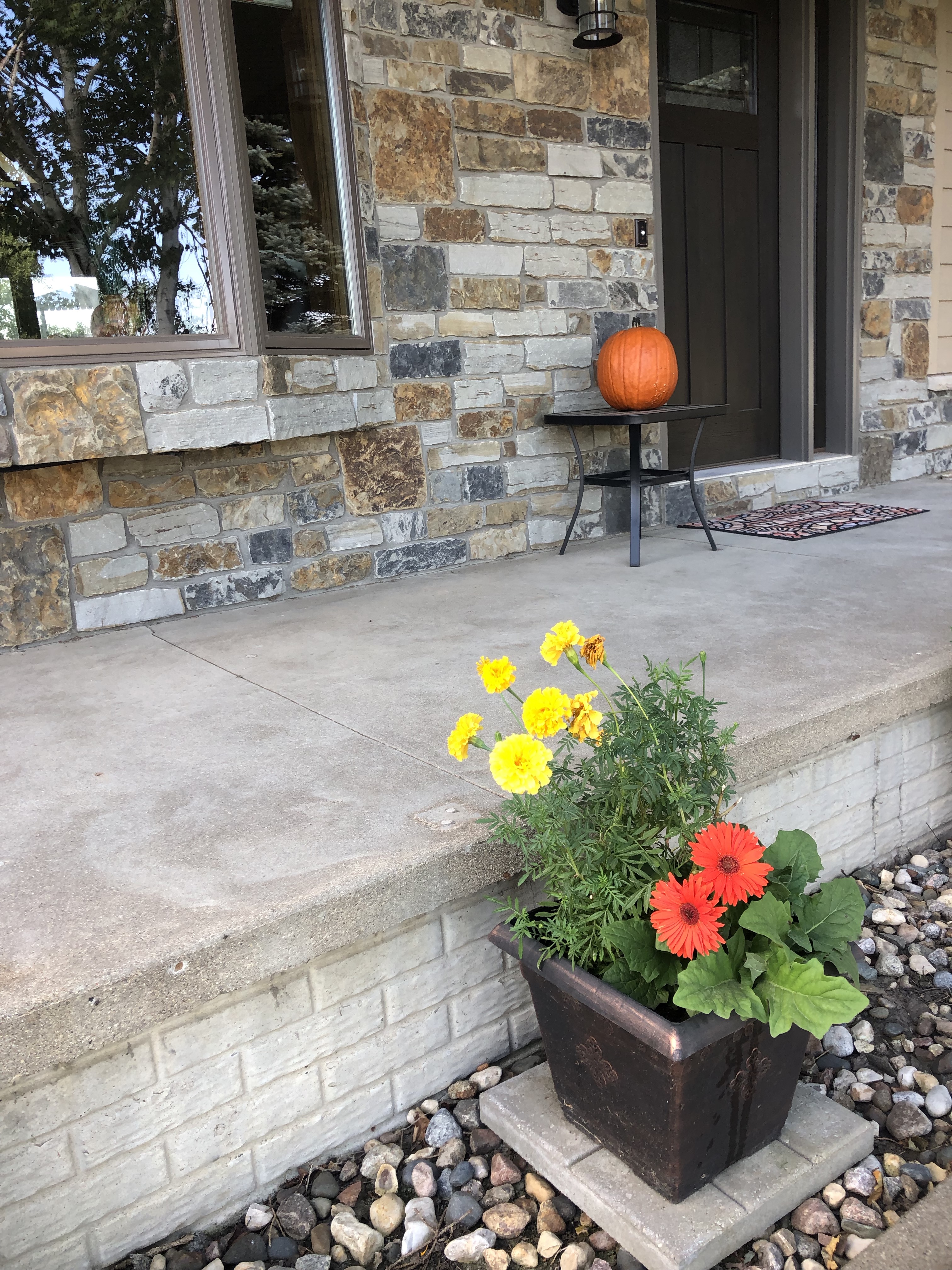
We actively anticipate the first frost of fall, working as a team ahead of the weather’s uncertain clock. The last tomatoes, some green ones, must be claimed off the vines and colorful peppers plucked from dying garden. This home-grown produce is chopped with harvested onions into tantalizing picante sauce to be admired in pint jars on shelf before smeared on tortilla chips.
Our prodigious pair of apple trees generously offer basketfuls of blushing fruit to family and friends willing to pick. The dropped or blemished fruit are treats rolled under fence to eager cows. Contentment wafts on spiced fragrance of apple-pie-in-a-jar syrup that simmers in large pot on basement stove. Steam from water bath canner spreads warm humidity indoors.
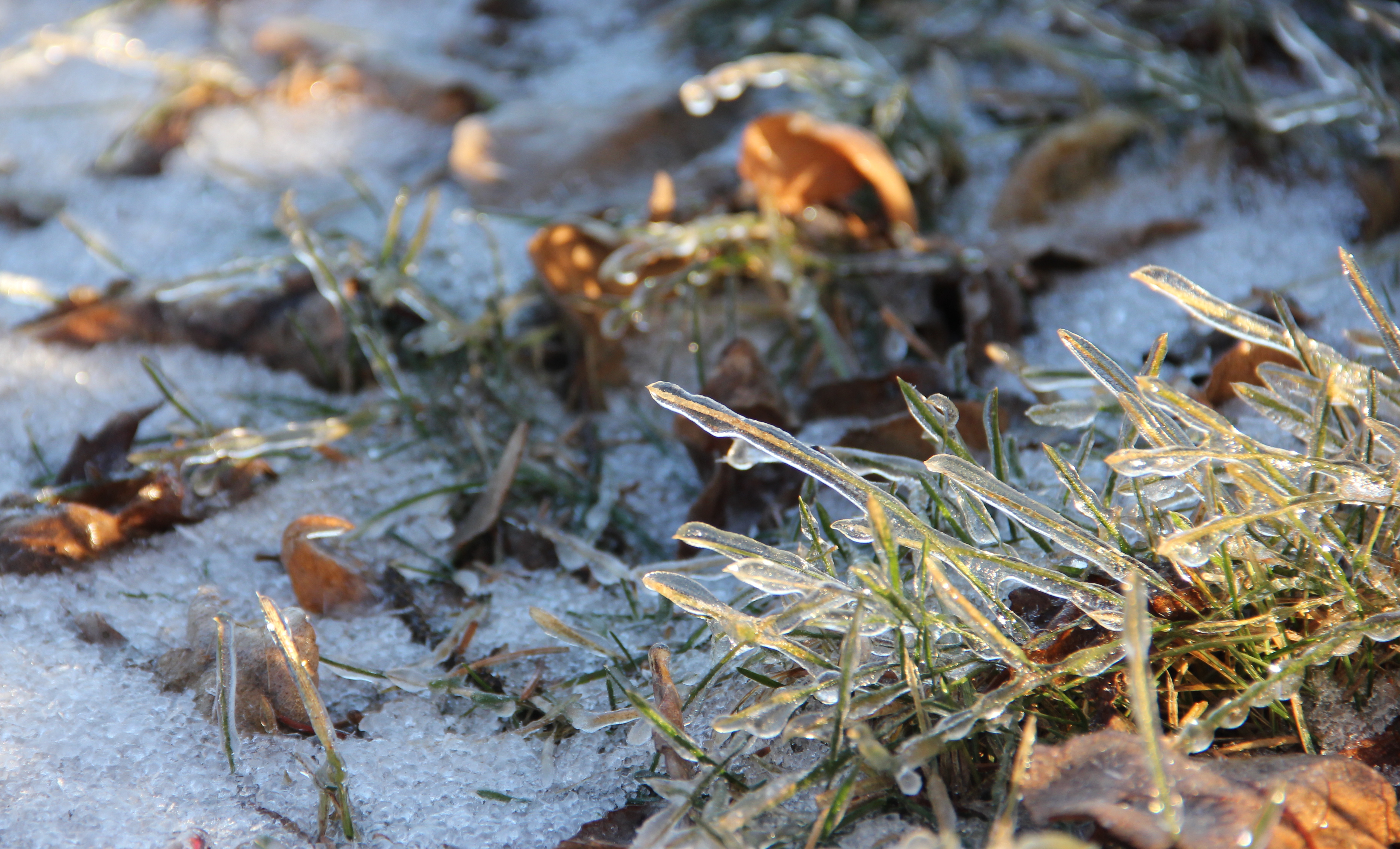
Fall rain dampens farmers’ spirits, swells soybeans in their pods, and muddies fields. “A killing frost is what we need” for corn stalks to die so matured ears plump with kernels can be harvested. The farmer checks weather forecast every night. At last, it steals in with the dawn, silently smothering the grass and finishing off the last droopy flowers.



 a poem in my pocket
You must be logged in to post a comment.