Plum blossoms, ume-no-hana, are frequent haiku theme and signal the end of winter (source: Carpe Diem Haiku Kai).
lovers find wild plums
sweet blossoms fade to tart fruit
overlook sharp thorns
posting poetic prose
01 Feb 2016 Leave a comment
in haiku Tags: blossoms, fruit, lovers, plums
Plum blossoms, ume-no-hana, are frequent haiku theme and signal the end of winter (source: Carpe Diem Haiku Kai).
lovers find wild plums
sweet blossoms fade to tart fruit
overlook sharp thorns
29 Jan 2016 8 Comments
in imagism Tags: garden, snowdrift, windmill
small windmill teeters
on edge of tired garden,
steel frame shows rust
thru dull aluminum paint,
concrete pad tips slightly,
buried under snowdrift.
faded red tail fin hangs limp
unresponsive to bitter wind
as head, spun clean away,
lies on frozen ground, useless,
one broken blade
now missing.
Linking to dVerse Poets where Victoria explains “imagist” poetry: Imagists sought to represent “things” in clear, precise language—in the words of Ezra Pound, “luminous details.”
26 Jan 2016 4 Comments
in tanka Tags: grandchildren, joy, love, snowflakes, winter
photo credit: www.livescience.com
winter’s secret joy
expecting new grandchildren
love’s art develops
every snowflake is unique
each design original
Linking with other haiku poets at Carpe Diem Haiku Kai today.
25 Jan 2016 7 Comments
we
light
a candle
another year
asking for mercy
a prayer walk for life
silent memorial for unborn
53 million taken before their time
ripped or salted from mothers’ wombs
medical professionals under hippocratic oath
who profit from selling spare body parts
hearts grow cold as a january night
boots tramp uncleared sidewalk
while 53 million snowflakes
sparkle as tiny diamonds
under a misty moon
frozen tears
of love
lost
24 Jan 2016 3 Comments
in list poem Tags: butter, cashmere, leather, soft, whisper
favorite sweatshirt
mother’s lullaby
foggy lake morning
silky fringed scarf
grandchild’s giggle
leather-bound book
baby rabbit’s ears
fitted suede gloves
fresh powder snow
furry parka hood
sweethearts’ first kiss
perfect pink pearl
warm sleeping bag
infant’s smooth skin
cashmere sweater
rose petal’s scent
tender-loved woman
spirit’s gentle whisper
21 Jan 2016 11 Comments
in tanka Tags: bones, chill, crows, frost, winter

photo by lynn__
lonely weathervane
midwestern prairie windchill
frosty windowpane
old bones ache in mid-winter
even crows disappear
19 Jan 2016 5 Comments
in rhyming verse Tags: broken, cops, theory, window
Inspired by Jennifer Duke Lee’s post today…
city cops on their beat
to new recruits repeat
true theory well-spoken:
one window that’s broken
will lead to another;
destruction runs further
it’s the way this world works
’cause we’re under sin’s curse
if we don’t give a care
thugs and vandals will dare
to destroy property
and attempt robbery
let’s be window menders
good neighborhood tenders
make world a better place
show your brave friendly face
18 Jan 2016 17 Comments
in Uncategorized Tags: ballet, dance, Nutcracker, tickets
Check out d’Verse Poets where Bjorn is hosting the pub’s first quadrille…
This poem is dedicated to my cultured friend, Karen D.K. 🙂

publicdomainpictures.net – Petr Kratochvil
my friend and i
thrill to quadrille
in beginning scene
of Tchaikovsky’s
beloved Nutcracker
when professional
ballet company
dazzles our rural
community and
invites local youth
to dance dreams staged
as mice and soldiers,
angels, snowflakes,
candy canes or
polichinelles…
and we have tickets!!
17 Jan 2016 1 Comment
in haiku Tags: acorns, snow, squirrels
seek frozen acorns
powdery puff of tail fluff
squirrels dig in snow
17 Jan 2016 2 Comments
in haiku Tags: goats, horns, winter
sharp horns of winter
furred herd forages landscape
mountain goats by road
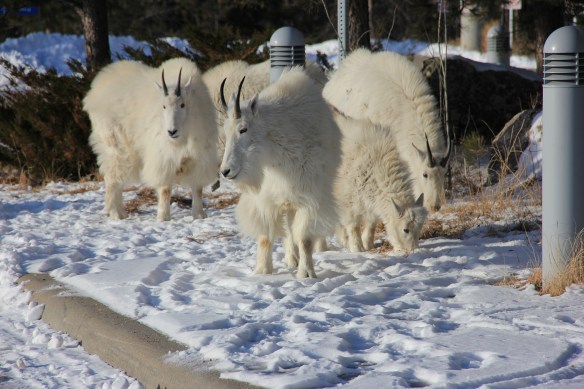
photo by lynn
14 Jan 2016 14 Comments
in ovillejo Tags: heat, stew, sweat
in your recipe for spousal stew
will you
even notice i’m on a slow burn?
please turn
me over so that i will brown
(heat down)
lightly and evenly all around
i’ve begun to sweat
broiled into a fret
will you please turn the heat down?!
Linking to dVerse Poets where we’re invited to write an “ovillejo” or tight little bundle (of yarn), which is untangled in the final line…
11 Jan 2016 26 Comments
in haibun, Uncategorized Tags: Christmas, flute, hymn, rose
(Listen to choir recording here…with lyrics)
haunting winter hymn
lo, how a rose e’er blooming
flute plays minor key
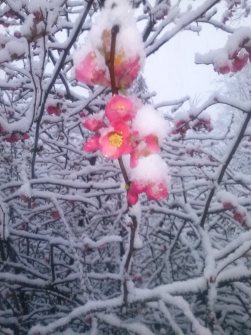
photo copyright: kanzensakura (used with permission)
This traditional Christmas carol sings a haunting melody, particularly when breathed through a flute. The flowing hymn hearkens back to Cologne, Germany in the 16th century during an evening snowfall. A high Renaissance tune which switches from solemnity to dance-like quality and back again, in half-frozen syncopation.
Originally sung in adoration of the virgin’s purity, Lutherans (ever reforming!) later tweaked the words to change its focus to Jesus Christ. As the hope of Israel, he fulfills the prophecies of Isaiah, appearing as the Branch, a stem from Jesse’s root, and the Rose of Sharon.
Thanks to Toni for hosting the haibun prompt at dVerse and sharing the lovely photo of her mature quince tree blooming prematurely.
 a poem in my pocket
You must be logged in to post a comment.