A Villonnet is a hybrid of the Villanelle and the Sonnet. It has the Iambic Pentameter of both, but holds the four-stanza/line structure of the sonnet, while utilizing the two-line rhyme nature of the villanelle. The final stanza replaces the sonnet couplet with a typical villanelle tercet. Linking this villonnet to Grace’s prompt at dVerse Poets pub. I was NOT going to write about fall, but here it is…
______________
i sit on deck to soak in warm sunshine this end of summer’s glow suits my skin fine fat cats watch scene from shade and lounge around piped wind chimes’ gentle song is only sound
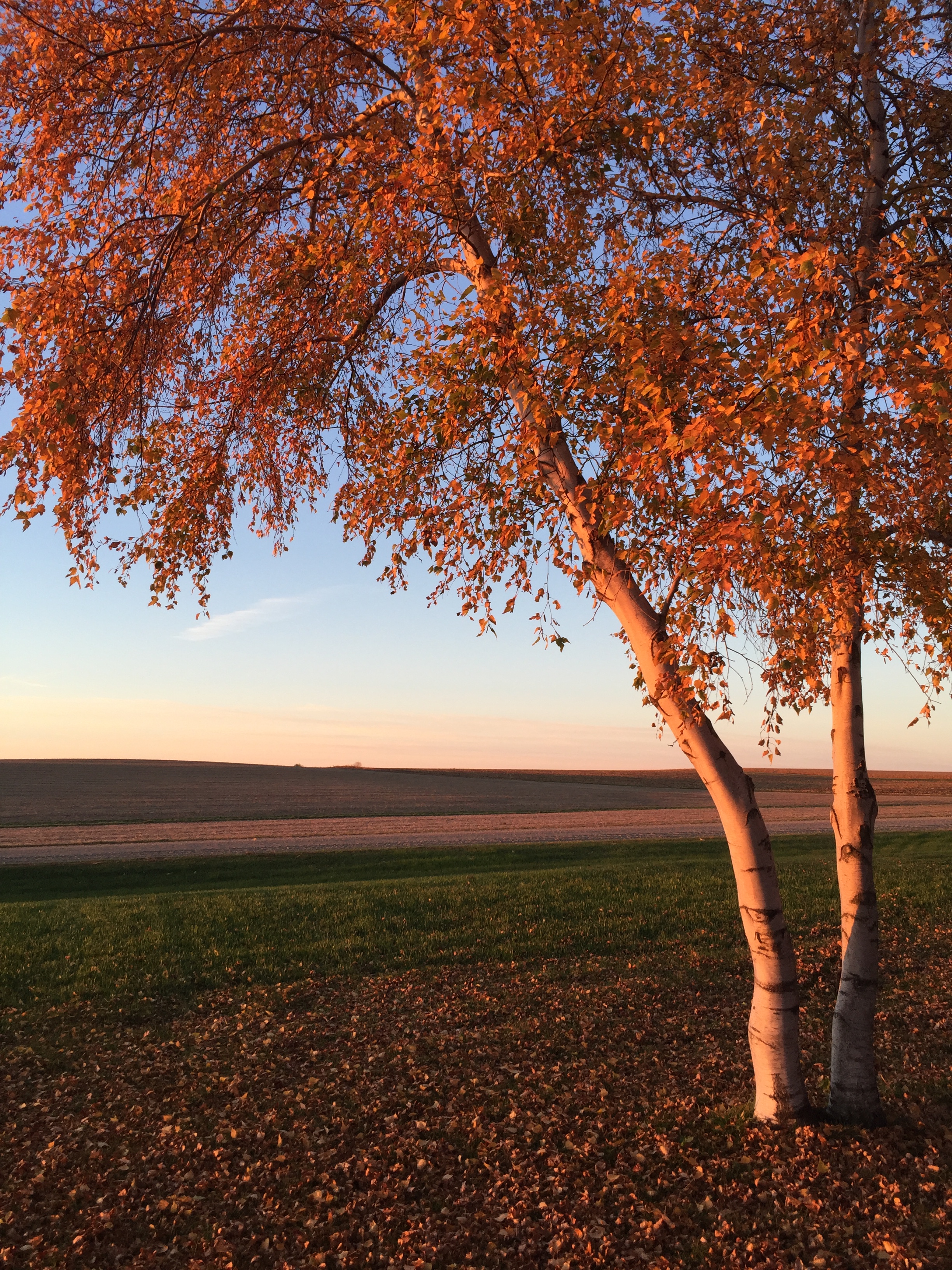
forgotten apple falls from top of tree while butterflies migrate, bees cap honey red leaves whirl past as if in joyful dance a celebration of autumn’s last chance
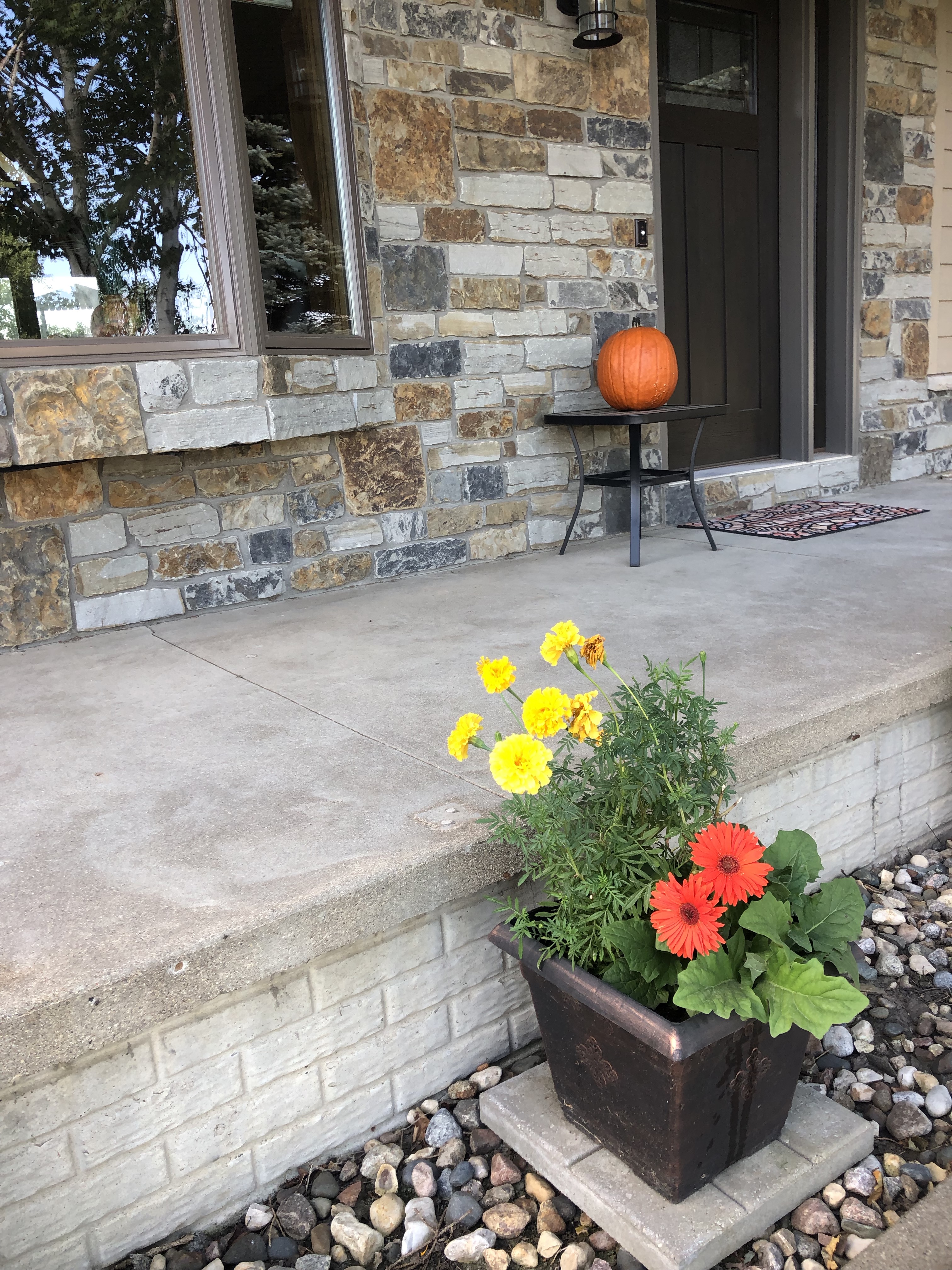
ripe orange pumpkins lie hidden in field as drying crops will soon their harvest yield pheasants and deer will feast upon the corn bred cows will glean before blizzards are born
today, september stays my favorite month until the wind turns cold out of the north then i will dream with birds of drifting south
_______________
NOTE: Line 1 is to be repeated as lines 8 and 13, and line 4 is repeated as lines 12 and 15. I neglected to repeat any lines, not a true villonnet…may have to rework sometime!
autumn’s season when leaves must fall in colors of dying sunset across sky where canada geese high above us call their long goodbyes to summer’s home; they must move on as leaves must fall. farmers bring in dry harvest of ripe corn and deliver fattened cattle to butcher’s stall to supply grocer’s shelves to feed all our children hungry for winter’s first snowfall; in hopes of missed school days while haze of smoky fires burn dead leaves that must fall.
______________
This is a “fold” poem invented by Gillena Cox and featured at dVerse poets’ pub.
The Fold [Gillena’s guidelines] 1. 11 lines 2. The end phrase of Line 1 repeats at Lines 5 and 11 3. The rhyme of line 1 continues through in every other line 4. There MUST be a reference to nature and how it affects you, the poet
Listen to silent barn; cattle chores
finished when farmer turns out light
as darkness falls.
Listen to busy crickets, fiddle
incessantly from damp ditch grass
as darkness falls.
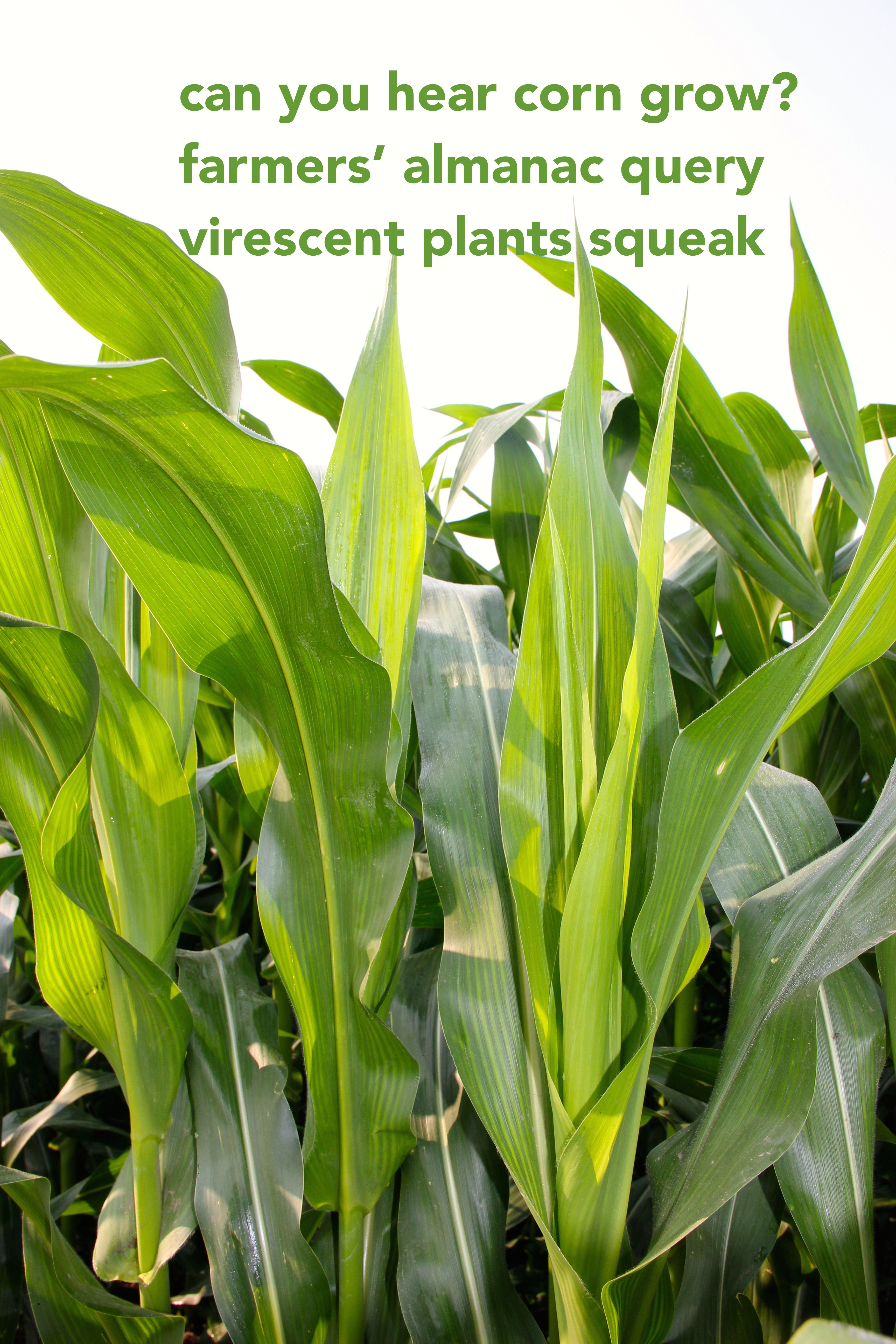
Listen to tall corn grow, stretching
and squeaking to whorled height
as darkness falls.
Listen to lightning bug wings
chirr while rising to spark new mate
as darkness falls.
Listen to killdeer warn their
nestlings to huddle in feather bed
as darkness falls.
Listen to far stars, singing ancient
alien lullaby with grandmother moon
as darkness falls.
A pastoral poem in six tercets, patterned after Jane Kenyon’s “Let Evening Come” and linked to Kim’s mini challenge at Imaginary Garden with Real Toads.
Linking to Eliot Dybden’s Shadorma November at Along the Interstice. A shadorma has six lines with no rhyme or meter, except for a syllable structure of 3/5/3/3/7/5.
Haibun is a Japanese form of prose and poetry (haiku) together. I’m joining Victoria with dVerse Poets writing haibun about “first frost’s voice” (shimo no koe).
We actively anticipate the first frost of fall, working as a team ahead of the weather’s uncertain clock. The last tomatoes, some green ones, must be claimed off the vines and colorful peppers plucked from dying garden. This home-grown produce is chopped with harvested onions into tantalizing picante sauce to be admired in pint jars on shelf before smeared on tortilla chips.
Our prodigious pair of apple trees generously offer basketfuls of blushing fruit to family and friends willing to pick. The dropped or blemished fruit are treats rolled under fence to eager cows. Contentment wafts on spiced fragrance of apple-pie-in-a-jar syrup that simmers in large pot on basement stove. Steam from water bath canner spreads warm humidity indoors.
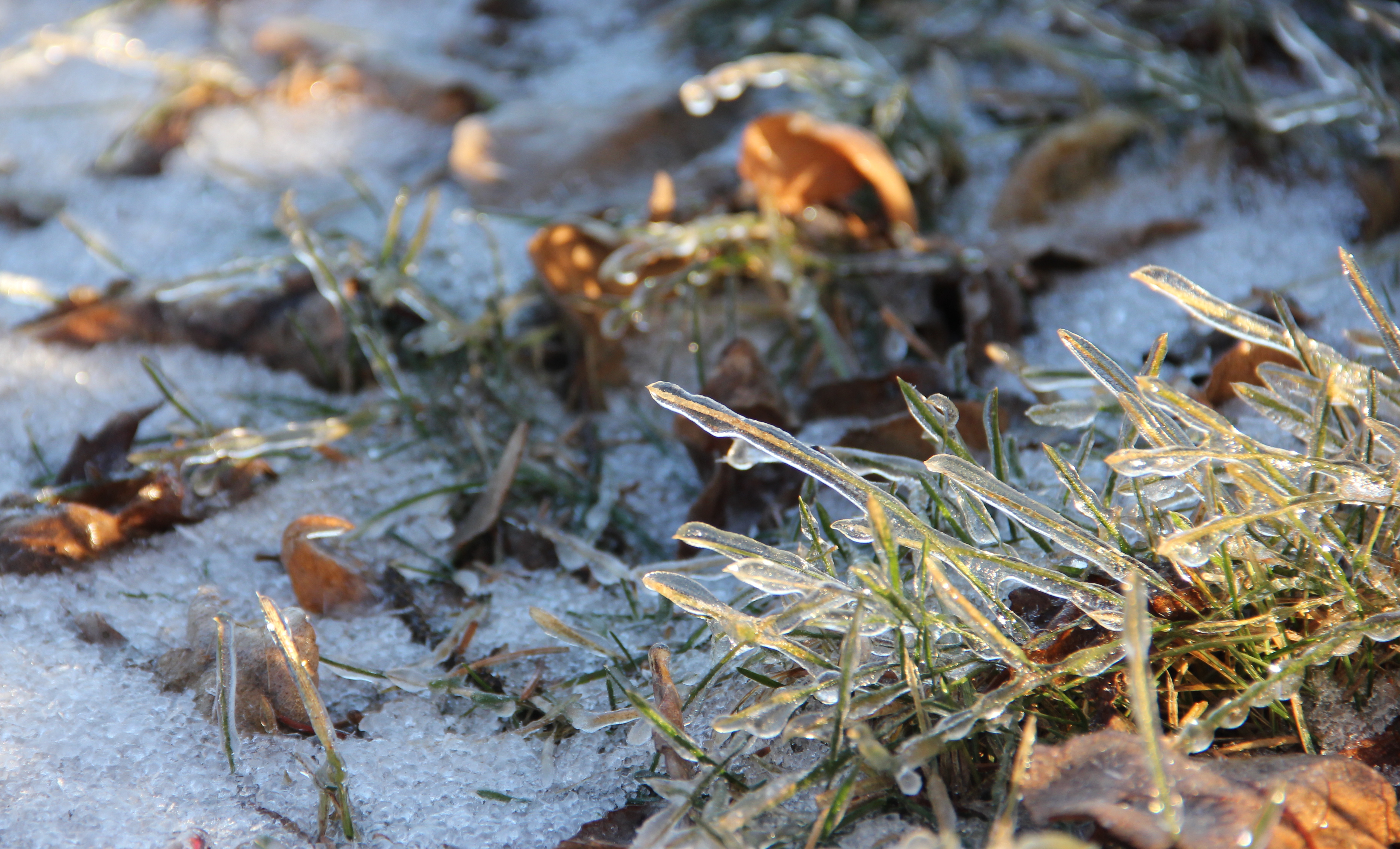
Fall rain dampens farmers’ spirits, swells soybeans in their pods, and muddies fields. “A killing frost is what we need” for corn stalks to die so matured ears plump with kernels can be harvested. The farmer checks weather forecast every night. At last, it steals in with the dawn, silently smothering the grass and finishing off the last droopy flowers.



 a poem in my pocket
You must be logged in to post a comment.